

Table of Contents
In the 2026 digital landscape, the bar for belief has never been higher. Visitors have been burned by AI-generated spam, fake testimonials, and polished fakeness. Today, trust is no longer a visual choice, it is an experiential requirement.
If your site is beautiful but isn’t converting, you likely have a credibility gap. Here is why your website is failing to build authority and the tools you need to fix it.
1. You are Claiming Authority instead of Demonstrating it

In 2026, saying “We are the experts” actually creates suspicion. Buyers now demand Proof of Result that bypasses their skepticism.
- The Mistake: Using vague headlines like We change the world or Best in the business.
- The Fix: Use the E-E-A-T (Experience, Expertise, Authoritativeness, Trustworthiness) framework. Show the work, show the numbers, and show the human behind the screen.
- External Tool: NeuronWriter — Helps you build topical authority by ensuring your content covers a subject deeply enough to be cited by AI and search engines.
2. Your Social Proof Looks Curated (And Therefore Fake)

Polished, generic testimonials with a first name and no photo are a trust-killer. In 2026, “Raw and Unfiltered” is the new gold standard.
- The Mistake: Using static text reviews that could easily be written by the site owner.
- The Fix: Use Video Testimonials or direct embeds from third-party platforms. When a visitor see a real person’s face and hears their voice, the “fake” alarm in their brain turns off.
- External Tool: Trustmary, Automatically pulls and displays real reviews from Google, Facebook, and G2 into dynamic widgets on your site.
3. The Anonymous Problem (Lack of Accountability)

Content written by Admin or The Team feels disposable and untrustworthy. People trust people, not faceless corporations.
- The Mistake: No author bios, no team photos, and no “About Us” page that tells a real story.
- The Fix: Every major blog post or service page should have a clear Author Byline with a bio, credentials, and a link to a professional LinkedIn profile.
- External Tool: Hunter.io — While primarily for outreach, use it to find the verified contact info of people you cite, showing that your “references” are real, reachable experts.
4. Hidden Pricing and Vague Processes
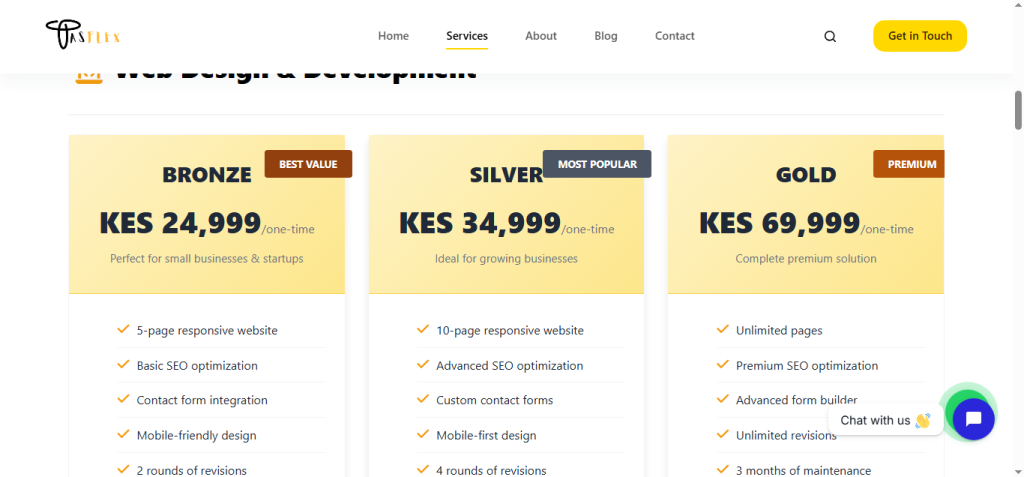
In 2026, hiding your price signals that your costs are either too high to defend or unpredictable.
- The Mistake: Forcing a visitor to Book a Call just to find out a baseline price.
- The Fix: Display clear pricing tiers or Starting From ranges early in the journey. This demonstrates respect for the buyer’s time and confidence in your value.
- External Tool: Terkel (now Featured.com) — Use this to answer expert questions and get cited in major publications. A “As Seen In” strip with real links is an instant authority builder.
The 2026 Authority Checklist
| Trust Factor | The “Failing” Site | The “Authority” Site |
| Performance | Slow, generic animations | Instant load times (NVMe) |
| Security | Only a basic SSL padlock | Clear Data Privacy & Consent UX |
| Social Proof | “Jane: Great service!” | Video Review + Company Logo |
| Contact | Only a contact form | Physical Address + Clickable Phone |
| AI Content | Unedited AI “Spam” | AI-Assisted but Human-Verified |
Frequently Asked Questions (FAQs)
1. Does my domain extension affect my authority?
In Kenya, a .co.ke domain builds more regional trust for local services, while a .com is better for global authority. Choose based on where your primary “Authority” needs to be established.
2. How do I check my current “Authority Score”?
Use the Ahrefs Authority Checker. It gives you a “Domain Rating” (DR) based on how many other trustworthy sites link to you.
3. What is the fastest way to build trust for a new brand?
Case Studies. Show a “Before and After” of a project you completed for a Kenyan client. Use screenshots, timelines, and specific metrics (e.g., “Increased sales by 30%”).
4. Is AI usage a trust-killer?
Only if you hide it. In 2026, being honest about using AI to help generate ideas—while emphasizing that the Expertise is human—is a transparency signal that users respect.
5. Why is my “About Us” page not working?
It’s likely too “Corporate.” In 2026, an About page should be a story of Why you do what you do and Who specifically you are trying to help. Move away from mission statements and toward human connection.
Build Authority. Don’t Just Claim It.
Trust is hard to gain and easy to lose. At Tasflex Designs, we build websites that act as “Authority Engines”—combining high-speed engineering with the social proof systems needed to win in 2026.
Explore our Branding and Trust-Building services and let’s bridge your credibility gap.