


In the Kenyan digital landscape of 2026, a website is no longer just an online brochure, it is your primary salesperson. However, many small businesses in Nairobi and across the country struggle with common pitfalls that turn potential customers away before they even see a price list.
Based on current performance benchmarks and user expectations, here are the top website mistakes Kenyan small businesses make and how to fix them.
1. Designing for Desktop, Not Mobile

With over 80% of Kenyans accessing the internet via smartphones, a website that is responsive (just shrinks to fit) is no longer enough. You must be Mobile-First.
- The Mistake: Buttons that are too small to click, text that requires zooming, and heavy desktop-sized images that eat up a user’s data bundles.
- The Fix: Design for a 6.5-inch screen first. Ensure your most important info (Contact/WhatsApp) is always within thumb’s reach.
2. Slow Loading Speeds on 3G/4G Networks
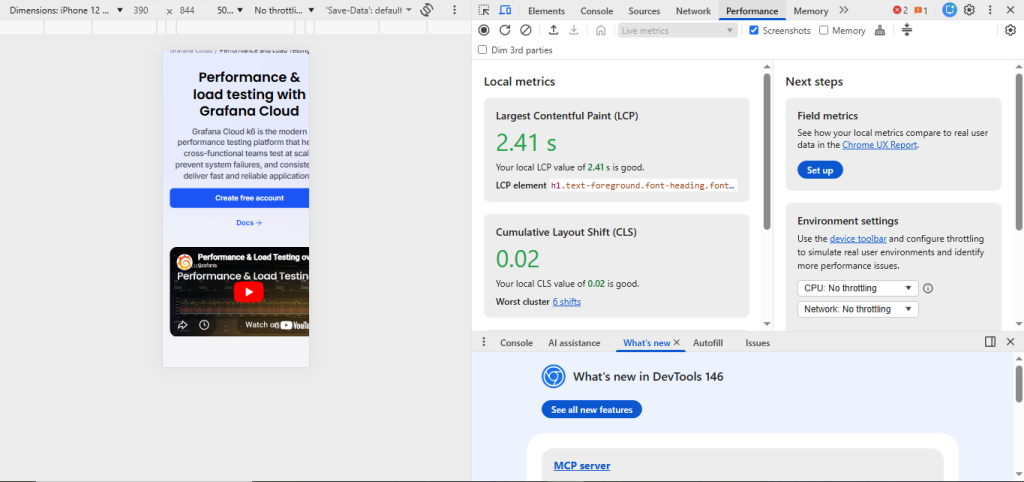
While fiber internet is growing in urban areas, much of your audience is browsing on mobile data. Every second of delay costs you roughly 20% of your conversions.
- The Mistake: Using high-resolution, uncompressed 5MB images or too many heavy flashy animations.
- The Fix: Use PageSpeed Insights to check your Core Web Vitals. Aim for a load time of under 3 seconds on a standard 4G connection. Use WebP image formats instead of JPEG/PNG.
3. Complicated M-Pesa Integration

For an e-commerce site in Kenya, the checkout process is the door handle. If it sticks, people leave.
- The Mistake: Asking users to manually copy a Paybill number, exit the browser, and open their M-Pesa toolkit. This leads to massive cart abandonment.
- The Fix: Implement M-Pesa STK Push. The customer enters their number, a PIN prompt pops up on their phone automatically, and the website refreshes to paid instantly.
4. No WhatsApp Strategy
Kenyans prefer to chat before they buy. It builds trust and provides instant clarity on delivery or stock.
- The Mistake: Having only a complex contact us form that takes 24 hours to get a response.
- The Fix: Add a Floating WhatsApp Button. It is the most effective call to action (CTA) for a Kenyan business in 2026.
5. Neglecting Local SEO
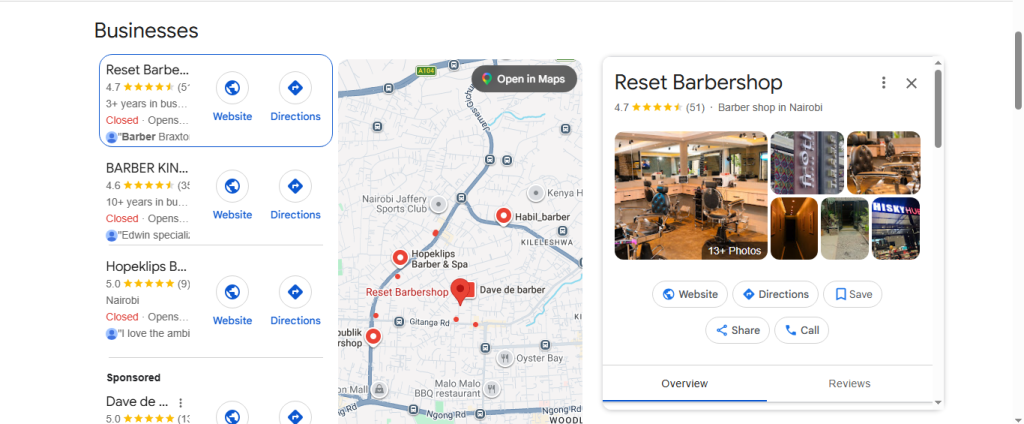
A beautiful website is invisible if it doesn’t show up when someone searches “Best Phone Repairs in Nairobi.”
- The Mistake: Ignoring Google Business Profile and not using local keywords like near me or specific neighborhood names (e.g., Westlands, Kilimani, or Mombasa CBD).
- The Fix: Create dedicated location pages if you serve multiple areas. Ensure your NAP (Name, Address, Phone) is consistent across your site and your Google Map pin.
Summary Checklist: Is Your Site Making These Mistakes?
| Feature | The Mistake | The 2026 Standard |
| Speed | 5+ seconds to load | < 3 seconds on mobile data |
| Trust | No office physical address/map | Google Map Pin & WhatsApp button |
| Payments | Manual Paybill / Transfer | STK Push / Payment Gateway |
| Navigation | Complex multi-level menus | Simple “Hamburger” menu on mobile |
| SEO | Generic global keywords | Local keywords (e.g., “in Kenya”) |
Frequently Asked Questions (FAQs)
1. How do I know if my website is Mobile-First?
Open your site on a mid-range Android phone (like a Samsung A-series or Tecno). If you have to horizontal scroll, if the text is hard to read without zooming, or if you can’t click a button easily with your thumb, it is not mobile-first.
2. Is M-Pesa integration expensive for a small business?
No. While custom coding a direct Safaricom Daraja API can be technical, using aggregators like Paystack, Flutterwave, or Pesapal makes it affordable and easy to plug into your WordPress or Shopify store.
3. Why is my website not showing on Google even though it’s live?
You might have missed the Google Search Console setup. Google needs to be told to crawl and index your site. Also, ensure your SEO strategy includes enough local content to help Google understand you are a Kenyan business.
4. What is the biggest trust destroyer on a Kenyan website?
Broken links and outdated content. If your “Latest News” is from 2023 or your WhatsApp button leads to a “number does not exist” error, customers will assume your business is closed.
5. How often should I update my website’s design?
Design trends in Kenya shift every 2 to 3 years. If your site looks like it was built in 2018 (small fonts, non-responsive sidebars, blurry logos), it’s time for a refresh from a professional designer at Tasflex.
Don’t Let a Poor Website Kill Your Growth.
Your website should be an asset, not a liability. At Tasflex Designs, we specialize in fixing these common mistakes by building high-performance, mobile-first websites that are fully integrated with M-Pesa and optimized for local search.
Explore our Web Design and Audit services and let’s turn your website into a sales machine.