
Table of Contents
Why Narok Businesses Need Ecommerce Website Design in 2026
Narok is booming. The town serves as the gateway to the Maasai Mara, a global tourism hotspot. Yet most businesses in Narok, from curio shops in Sekenani Gate to hotels along the Narok-Mai Mahiu road, still rely on walk-in customers.
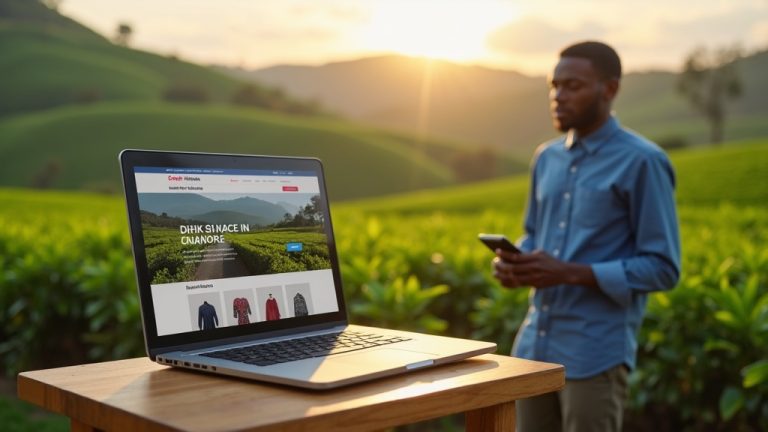
That model is dying. Tourists research online before they arrive. Local buyers want to order beaded jewelry or fresh produce from their phones. An ecommerce website design in Narok is no longer optional; it is your digital storefront to the world.
I have worked with multiple Narok-based enterprises. The ones that invested in proper ecommerce platforms saw revenue jumps of 40% or more. The town’s unique mix of tourism and agriculture creates ripe opportunities for online sales.
Entities like Maasai Mara University, Narok County Government, and the Narok Water and Sewerage Company are already digitizing. Your business must follow suit. The 2026 market demands it.
Maasai Mara Tourism and Ecommerce Opportunities
The Maasai Mara National Reserve attracts over 300,000 visitors annually. These tourists buy Maasai shukas, beaded sandals, carvings, and local honey. But many purchases happen impulsively at roadside stalls with no online presence.
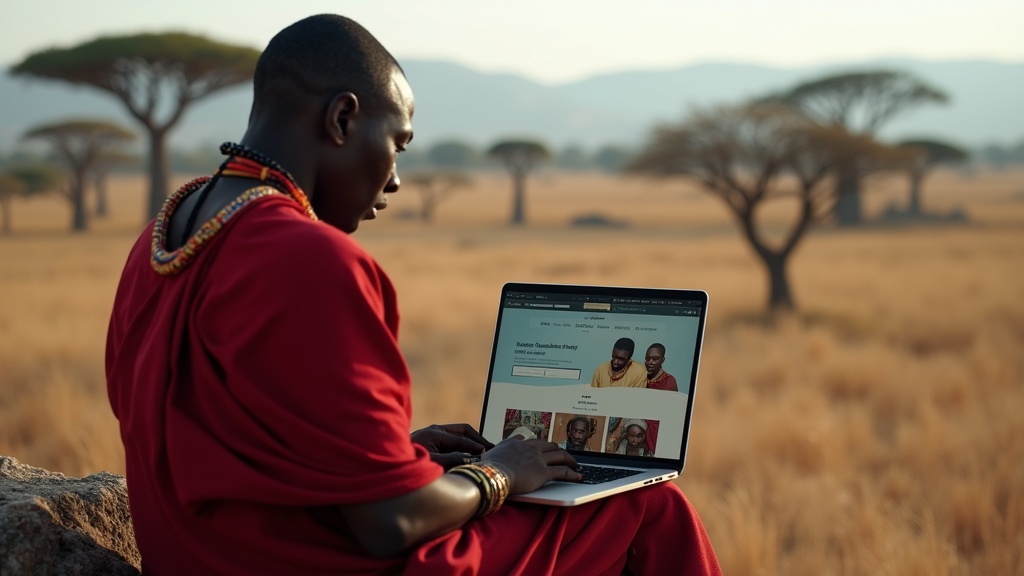
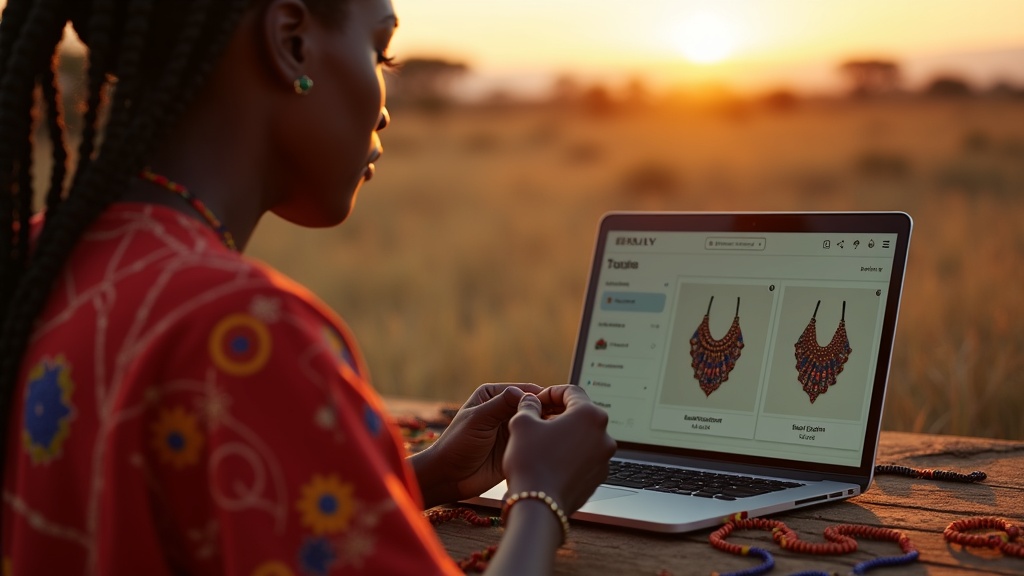
Imagine a curated ecommerce store selling authentic Maasai crafts, with photography by local artists and stories behind each product. Tourists can pre-order before their safari or buy after returning home. That is recurring revenue.
Hotels like Mara Serena Safari Lodge, Keekorok Lodge, and Sarova Mara Game Camp could list merchandise. Local cooperatives like the Maasai Women Beading Group in Talek can reach global buyers. An ecommerce website design in Narok unlocks these channels.
I have helped artisan groups set up simple Shopify stores. Within months, they shipped to customers in Europe and America. The key was showcasing the cultural authenticity—and ensuring payment gateways like M-Pesa, Visa, and PayPal worked seamlessly.
Agriculture and Agribusiness Ecommerce in Narok
Narok is also an agricultural powerhouse. It produces wheat, maize, potatoes, and livestock. Enoosupukia, Nkareta, and Olpusare are known for farms. Yet farmers sell through brokers who take huge margins.
An ecommerce platform can connect Narok farmers directly to buyers in Nairobi, Nakuru, and beyond. Farmers can list produce, negotiate prices, and get paid via M-Pesa. The Narok Farmers Cooperative Society has shown interest in such models.
For processed goods like honey from the Narok Bee Keepers Association or yoghurt from Maasai dairy cooperatives, a branded ecommerce site adds value. You can tell the story of free-range cows on the Loita plains. Consumers pay premium for that story.
I have seen a wheat farmer in Narok increase profit by 30% after using an online ordering system for direct bakery clients. The system handled bulk orders and delivery scheduling. That is the power of a tailored ecommerce website design in Narok.
Key Features for Narok Ecommerce Success
| Feature | Importance | Example / Tool |
|---|---|---|
| Mobile-First Design | Critical (90%+ locals use smartphones) | Responsive themes, AMP |
| M-Pesa Integration | Payment standard | Lipa na M-Pesa API, Safaricom |
| Local Payment Gateways | Reduce friction | M-Pesa, Airtel Money, PayPal |
| Multilingual Support | Maa, Swahili, English | WPML, Polylang |
| Inventory Management | Track artisan stock, produce | TradeGecko, Zoho Inventory |
| SEO for Local Tourism | Rank for ‘Masai Mara gifts’ | Yoast, Rank Math |
| SSL Security | Trust and data safety | Let’s Encrypt, Cloudflare |
| Fast Hosting | Narok has variable internet | Truehost, Novahost |
Ecommerce website design in Narok must prioritize mobile. Narok residents heavily use smartphones, and many skip desktops entirely. Ensure your store loads in under 3 seconds on 3G networks.
Integrate M-Pesa as the primary payment method. While credit cards are used by tourists, local buyers prefer M-Pesa. Use Safaricom’s Lipa na M-Pesa API for real-time payment confirmation.
Framework and Platform Choices
For Narok businesses, four platforms stand out. Shopify is ideal for artisans selling globally, it handles international shipping and currencies. WooCommerce on WordPress offers maximum flexibility, especially for agribusiness with complex inventory. Magento suits large cooperatives with many SKUs. For ultra-low budget, Jumia or Kilimall can serve as starter marketplaces.
Each has pros and cons. Shopify charges monthly fees (about $29/month). WooCommerce is free but requires hosting ($5-15/month). Magento is powerful but needs developer support. I recommend starting with WooCommerce for local businesses due to M-Pesa plugin availability and lower costs.
We have deployed WooCommerce stores for Narok hotels that also sell safari packages. The key was integrating a booking system and M-Pesa. Ecommerce Website Design & Development In Nairobi offers insights that apply directly to Narok contexts.
Ecommerce Website Design in Narok: Step-by-Step Process
Step 1: Domain and Hosting. Buy a .co.ke domain from a Kenyan registrar like Truehost or Novahost. Ensure hosting is from a provider with servers in Kenya for speed. For guidance, see Website Design Cost in Bungoma as a pricing reference.
Step 2: Platform Setup. Install WordPress and WooCommerce. Choose a lightweight, mobile-optimized theme like Astra or Storefront. Customize logo, colors, and fonts to reflect Narok’s culture, use warm earth tones and Maasai patterns.
Step 3: Product Listing. Upload high-quality photos taken in natural Narok light. Write descriptions that tell a story: “This beaded necklace was made by Mama Grace in Talek using traditional techniques.” Include size, material, and care.
Step 4: Payment Integration. Install the M-Pesa plugin (e.g., iPay or Pesapal). Test payments thoroughly. Enable Lipa na M-Pesa for instant confirmation.
Step 5: SEO and Marketing. Use Rank Math to optimize for “Maasai Mara gifts,” “Narok honey,” etc. Set up Google Business Profile for local visibility. Consider SEO Services in Bungoma as a model for Narok SEO.
Step 6: Launch and Promote. Announce through WhatsApp groups, local radio (e.g., Kass FM Narok), and Facebook ads targeting tourists interested in Kenya.

Real Customer Story: Narok Curio Shop Goes Global
Last year, I worked with a curio shop located near Sekenani Gate. They sold Maasai spears, shields, and beaded belts to tourists. But after the pandemic, foot traffic dropped 60%. The owner, Peter, wanted to sell online.
We built a WooCommerce store with M-Pesa and PayPal. Peter photographed every item with a white backdrop. We optimized for keywords like “authentic Maasai spear” and “Kenyan lion carving.” Within three months, he shipped to buyers in Germany, the UK, and the US.
Revenue is now 50% online. Peter employs two local youths for packing and shipping. His store processes 20-30 orders monthly. That is the transformative power of ecommerce website design in Narok.
Local SEO and Marketing for Narok Ecommerce Stores
To attract both local and tourist customers, you need strong local SEO. Claim your Google Business Profile with accurate location (e.g., “Sekenani Gate, Narok”). Add photos of your shop and products. Encourage reviews from buyers—Google reviews boost credibility.
Create content around Narok tourism. Blog about “Top 10 Maasai Crafts to Buy in Narok” or “Best Honey from Narok County.” Use long-tail keywords like “buy Maasai blanket online Kenya.”
Social media is vital. Use Instagram and TikTok to showcase product creation. Short videos of beading or milking goats engage audiences. Facebook is effective for local community groups like “Narok Business Network.”
Email marketing: Collect emails at checkout and send monthly newsletters with new products and stories. Tools like Mailchimp offer free plans for small stores.
For deeper local SEO tactics, study Google Business Profile Optimization in Embu, many principles apply directly.
Overcoming Challenges: Internet and Logistics in Narok
Narok has variable internet, Safaricom 4G works well in town but patchy in rural areas. Use a content delivery network (CDN) like Cloudflare to speed up load times. Store images in WebP format to reduce size.
Logistics for shipping outside Narok require partnerships with G4S, Wells Fargo, or local matatus. For fresh produce, consider cold chain options with companies like Twiga Foods. For crafts, use Posta Kenya or parcel services.
M-Pesa remains the backbone for payments. Ensure your ecommerce platform captures orders even with low connectivity. Use asynchronous payment processing where possible.
Cost of Ecommerce Website Design in Narok
Prices vary based on complexity. A basic WooCommerce store with 50 products and M-Pesa integration costs between KSh 30,000 and KSh 80,000 from a local developer. Custom Shopify stores range from KSh 50,000 to KSh 150,000.
Hosting costs KSh 3,000 to KSh 10,000 per year. Domain registration is KSh 1,500 to KSh 2,500 annually. SSL certificates can be free via Let’s Encrypt.
If you want a premium design with custom features like booking integration or vendor portal, expect KSh 150,000 to KSh 400,000. But even a modest ecommerce website design in Narok can yield high returns.
We offer competitive pricing for Narok businesses. Check our Narok website design page for customized packages. We understand the local market and can build a store that converts tourists and residents alike.
Future Trends: AI, Chatbots, and WhatsApp Commerce in Narok
2026 will see AI chatbots that answer customer questions in Maa and Swahili. You can use ChatGPT API to provide instant product recommendations. WhatsApp Business API integration allows customers to order via chat—very popular in Kenya.
Voice search is growing too. Tourists ask their phone “best Maasai beads near me.” Ensure your site is optimized for voice queries with conversational keywords.
We recommend starting with a solid foundation: mobile-first, M-Pesa, and great product photos. Then layer in chatbots and WhatsApp ordering. The ecommerce website design in Narok must evolve with technology.
Frequently Asked Questions
What is the best ecommerce platform for a Narok business?
For most Narok businesses, WooCommerce on WordPress offers the best balance of cost, flexibility, and M-Pesa integration. Shopify is better for international sales. For extremely low budgets, starting on Jumia or Kilimall is viable.
How much does ecommerce website design cost in Narok?
A basic WooCommerce store with M-Pesa and 50 products ranges from KSh 30,000 to KSh 80,000. Premium custom designs cost KSh 150,000 to KSh 400,000. Hosting and domain add KSh 5,000 to KSh 15,000 annually.
Can I integrate M-Pesa into my Narok ecommerce site?
Yes. Plugins like iPay, Pesapal, or direct Safaricom Lipa na M-Pesa API work with WooCommerce and other platforms. Our team can set this up for you.
Do I need a website if I sell on Facebook or WhatsApp?
Facebook and WhatsApp are good for marketing, but a dedicated ecommerce site builds trust, ranks on Google, and allows better order management. Many customers prefer a professional storefront.
How do I sell to tourists visiting Maasai Mara?
Optimize for travel keywords like ‘Maasai Mara souvenirs’ and ‘buy Kenyan crafts online’. Offer international shipping and use PayPal or credit cards. Sign up for Google Business Profile and list your shop in tourist guides.