

Table of Contents
Embu County is undergoing an unprecedented economic transformation. From the bustling streets of the Embu Town CBD along Kenyatta Highway and Mama Ngina Street to the agricultural hubs of Runyenjes, Manyatta, and Siakago, local enterprises are waking up to a critical reality: local visibility requires a robust digital asset. Whether you are running a hospitality landmark like the Izaak Walton Inn or the Slopes Villa Hotel, operating an agribusiness venture near the slopes of Mount Kenya, or setting up a private clinic near the University of Embu, your customer starts their journey on a smartphone screen.
When local entrepreneurs search through local directories or consult review sites for the top 10 web designers in Embu or look for the best agencies in Embu, they are immediately hit with wildly conflicting price quotes. One freelancer on a local business forum might promise a complete digital profile for KES 5,000, while an established tech firm might present a corporate invoice crossing KES 150,000 for what looks like the same service.
This exhaustive guide strips away the confusion and delivers a transparent breakdown of real-world website design expenses across Embu County. It details exactly what you are paying for, uncovers hidden infrastructure costs, and outlines how to optimize your budget to build an online presence that translates directly into revenue.
The Core Question: Why Does Website Design Pricing Vary So Much?

The digital market in Kenya operates without a fixed pricing regulatory body. A website is not a single mass-produced commodity; it is an assembled software solution tailored to specific business objectives. To make an informed choice, a business owner must first answer a fundamental commercial question: do I need a website for my business or can I survive solely on social media?
In Embu’s competitive retail and corporate ecosystem, social media algorithm updates can instantly choke organic reach, meaning a self-owned domain is the only true way to anchor a brand. The wild variance in cost stems directly from the scope of work, technical performance configurations, design customization levels, and the ongoing security layers deployed under the hood.
Granular Breakdown of Essential Website Components
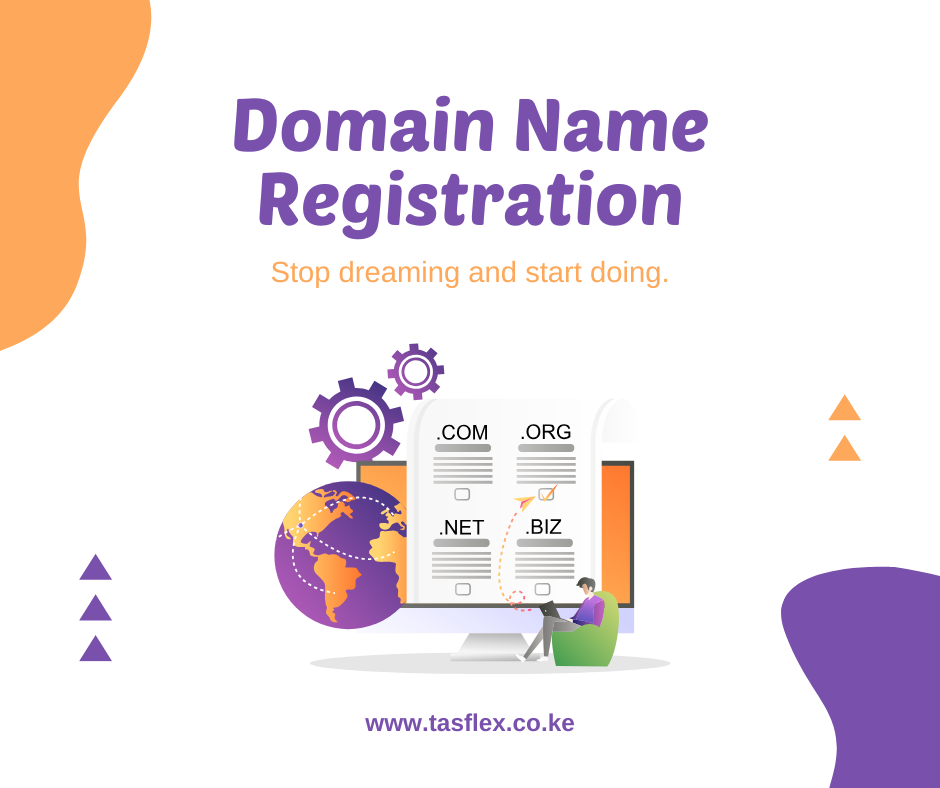
Every functional business site requires three foundational elements: a domain name, a web hosting server, and the actual user interface design. Skipping or under-budgeting any of these layers results in slow loading speeds, frequent downtime, or vulnerability to cyber threats.
1. Domain Registration Fees
Your domain name is your permanent digital address. In Kenya, domain extensions play a major role in establishing local trust. A .co.ke extension tells search engines and shoppers that your operation is physically grounded within the country, making it highly valuable for local search engine optimization.
When choosing an address, smart business owners utilize the top 5 domain registrars in Kenya to purchase their name safely. On average, a standard .com or .co.ke registration in 2026 costs between KES 1,000 and KES 3,000 annually.
2. Hosting Server Infrastructure
Hosting is the virtual land where your website files reside. If your server is slow, visitors from areas like Mwea, Kerugoya, or Chuka will abandon your page before it even finishes rendering. The local market offers various hosting paths, each with clear tradeoffs in speed and security.
For startup entities balancing their budgets, looking into whether Hostpinnacle is legit and reliable provides context on entry-level shared servers. If you need more scalable options with better uptime guarantees, reviewing detailed server architectures like Novahost vs Truehost hosting solutions will give you a clear look at local platform performance. Expect to spend anywhere from KES 3,000 to KES 15,000 per year for standard business hosting packages.
3. Core Software and Interface Layout
The visual layout and functional code represent the largest chunk of the initial design budget. This includes user experience planning, mobile-responsive development, text formatting, graphics optimization, and functional contact or booking forms.
2026 Cost for Website Design in Embu
To help you plan your finances effectively, the table below provides an aligned estimate of what you should expect to invest for different types of systems in the current local market.
| Website Classification | Target Embu Business Profile | Core Deliverables & Integrations | Average Price Range (KES) |
| Starter Single-Page / Landing Page | Emerging consultants, artisan soapstone/timber dealers, local retail shops | One responsive page, standard contact section, basic WhatsApp chat plugin, localized SEO foundation | KES 10,000 – KES 20,000 |
| Standard Professional Corporate Site | Law firms, private schools, medical clinics, hotels, saccos | 5 to 10 customized pages, service galleries, email capture systems, custom blogs, robust security setups | KES 25,000 – KES 55,000 |
| Advanced E-Commerce / Online Store | Agricultural distributors, hardware shops, clothing boutiques, electronic merchants | Dynamic product inventory, secure shopping cart, direct payment processing, order tracking dashboard | KES 60,000 – KES 120,000+ |
| Custom Web Application / Portal | Saccos, logistics companies, institutional management, booking portals | Full database integration, user accounts, custom API systems, automated operational reporting tools | KES 150,000+ |
Deep Dive into Each Pricing Tier
The Entry-Level Tier (Under KES 10,000)
It is completely possible to launch a basic online presence with very little capital. For instance, you can learn how to build a professional website for less than Ksh 10,000 by managing the assembly process directly, using open-source content management systems like WordPress paired with budget-friendly local shared hosting.
However, when you hire an outside provider at this price range, they are almost always using generic, unaltered templates without optimizing for speed, security, or lead generation. This model functions okay for very small personal projects, but it rarely gives an established brand the credibility it needs.
The Medium Business Tier (KES 25,000 – KES 55,000)
This range is where the vast majority of competitive enterprises in Embu choose to invest. This tier moves completely away from rigid templates. The design is customized to match your branding elements, brand colors, and specific lead-generation goals.
At this standard, reputable providers integrate professional technical structures, fast-loading image libraries, automated backup regimes, and localized search optimization so your company ranks when users in the Mount Kenya region look for your services. To see how these variables fit into budgets across the country, check out our comprehensive nationwide analysis on how much you should pay for a website in Kenya.
The Enterprise and E-Commerce Tier (KES 60,000 and Above)
For entities aiming to handle automated transactions, process payments directly, or run secure multi-user portals, the complexity of the project demands advanced development methods. Building an online catalog requires secure databases, custom product configurations, and defensive security measures to protect client information.
For a scaling enterprise, relying on generic platforms won’t cut it. Reviewing our comprehensive resource on affordable website design and development services for Kenyan SMEs outlines how these deeper functional setups protect high-volume commercial operations over time.
Hidden Costs Often Overlooked by Business Owners
When analyzing quotes from the best agencies in Embu or evaluating the top 10 web designers in Embu, look closely at what happens after the site goes live. A website is a dynamic software entity that requires ongoing attention.
- SSL Encryption Extensions: Secure Sockets Layer (SSL) certificates display the secure padlock icon in web browsers. While basic certificates are often bundled with hosting, premium commercial platforms or financial setups require advanced wildcard SSL certificates that carry separate annual licensing fees.
- Content Management and Asset Refreshing: A dead digital asset is a liability. Budgeting for copywriters to draft clear descriptions, take high-resolution corporate photos, or maintain an active business blog is vital for long-term growth.
- Routine Security Operations: Content Management Systems, underlying plugins, security patches, and database structures require monthly technical cleanups to prevent software conflicts and plug security holes.
- Premium Third-Party API Fees: Advanced text-messaging systems, mapping services, specialized premium booking engines, and specialized property display systems often run on paid subscription models that sit outside the developer’s core engineering invoice.
Evaluating the Investment: Assessing the True Business Return
A professional website is not an operational expense to be minimized; it is a permanent business asset designed to generate returns. Far too many business operators view web platforms through a purely defensive lens, missing the active financial returns an optimized system provides.
When calculating digital project budgets, clever entrepreneurs look directly at the real financial return of a business website, weighing initial production costs against long-term customer acquisition advantages.
       [ Local Lead Generation ]
                   │
                   ▼
  [ 24/7 Automated Customer Support ] ──► [ True Business Return (ROI) ]
                   ▲
                   │
    [ Direct Brand Trust Building ]
A properly built platform serves your enterprise in three distinct ways:
- Local Lead Generation: It answers client questions and captures contact details from high-intent prospects while your physical office on Mama Ngina Street is closed.
- 24/7 Automated Customer Support: It handles routine inquiries through detailed documentation layouts, freeing up your staff to handle more complex sales.
- Direct Brand Trust Building: It positions your business as a modern market leader when local organizations, financial institutions, or international partners research your corporate history.
Pros and Cons of Different Development Models
Choosing the right partner requires balancing your budget against the level of technical expertise your project demands.
Low-Cost Freelancers
- Pros: Very low upfront expenses; quick initial setup; highly flexible working hours.
- Cons: Often offer limited backup security or technical redundancy; high risk of project abandonment if they transition to full-time employment; narrow skill set that rarely covers advanced search optimization or custom database work.
Established Professional Digital Agencies
- Pros: Access to a complete team of specialized user-interface designers, copywriters, database engineers, and search experts; reliable long-term support SLA contracts; transparent development workflows documented in technical sitemaps.
- Cons: Higher initial setup costs; more structured project timelines that require collaborative revisions.
Frequently Asked Questions
Why do some developers quote KES 5,000 while others request KES 50,000 for the same type of project?
The KES 5,000 developer is typically installing a free, pre-made template on low-cost shared hosting without conducting target audience research, optimizing imagery, or implementing security configurations. The professional agency quote covers custom strategy planning, secure coding practices, custom mobile responsiveness testing across multiple devices, technical copy optimization, and long-term support guarantees.
Are domain names and server hosting plans included in the initial design quote?
This depends entirely on the provider’s contractual terms. Many top-tier agencies package the first year of domain registration and standard hosting into their comprehensive onboarding packages. Always clarify whether these infrastructure layers are included in your initial invoice or if they will appear as separate, unlisted expenses.
How much do renewal packages cost after the first year of operation?
Ongoing renewal costs typically cover annual domain name registration, hosting server space extensions, and software security license renewals. For a standard business website in Embu, expect renewal fees to range between KES 5,000 and KES 15,000 per year, depending on your total database size and traffic volume.
Can I update content on my website without paying the developer for every small change?
Yes, provided your system is built on a modern Content Management System like WordPress, Joomla, or Webflow, and your developer grants you administrative access. Ensure your contract includes a baseline training session where your team learns how to edit text blocks, upload project photos, and manage blog sections independently.
Final Strategy: How to Pick the Right Developer in Embu
To protect your capital and ensure project success, never select a development partner based on price alone. Use a systematic evaluation process:
- Analyze True Visual Proof: Review their active portfolio links to check if their previous builds load fast, show proper mobile responsiveness, and feature clean design layouts.
- Check Local Trust Indicators: Look into their verified Google Business Profile ratings and read independent reviews from past clients to gauge their customer service and reliability.
- Insist on Detailed Invoices: A professional quote should itemize line items clearly, breaking down charges for design, content curation, hosting, and post-launch maintenance.
Our engineering and strategy teams audit our design architectures and site architectures through frameworks updated in our live page-sitemap.pdf and post-sitemap.pdf registries to keep every customer portal perfectly fast, highly secure, and highly competitive.
Ready to establish a highly competitive digital presence for your enterprise? Contact Tasflex Designs today for a transparent consultation tailored directly to the local market. Explore our dedicated Embu Website Design Services Page to request an itemized proposal built for your business goals.