
Table of Contents
You launch a beautiful online store, upload your inventory, and wait for the orders to start rolling in. Yet days turn into weeks, and your analytics panel shows practically zero organic visitors looking at your inventory. You check Google by typing in the exact name of an item you sell, only to find pages of your competitors dominating the top spots while your shop is nowhere to be found.
When your inventory is buried, it is usually because your product pages lack the specific signals search engines need to index and recommend them. Getting your items discovered requires shifting your focus away from the homepage and learning how to rank product pages on google directly.
Ranking retail inventory isn’t a game reserved exclusively for multi-million-shilling corporations. By executing clear, deliberate adjustments to your item descriptions, headers, and media data, you can attract high-intent buyers who are ready to purchase. Let’s explore the essential e-commerce product SEO tips that will get your inventory noticed.
The Core Concept: What Is Product Page SEO?

Product page search engine optimization is the intentional practice of modifying an individual item page’s text, images, and code to help search engine crawlers understand exactly what you are selling.
To see where this fits into your digital strategy, think of it as a highly focused branch of on-page SEO and how it works. While a standard informational blog post aims to answer a casual question, an optimized product page is designed to capture commercial search intent, meaning it targets users who have their credit cards out and are actively looking to buy a specific item right now.
4 Crucial Steps to Get Your Items Ranking on Google
If you want to know how to write product descriptions for seo and format your listings to outrank massive retail platforms, focus on these four core structural steps:
1. Stop Using Manufacturer Product Descriptions
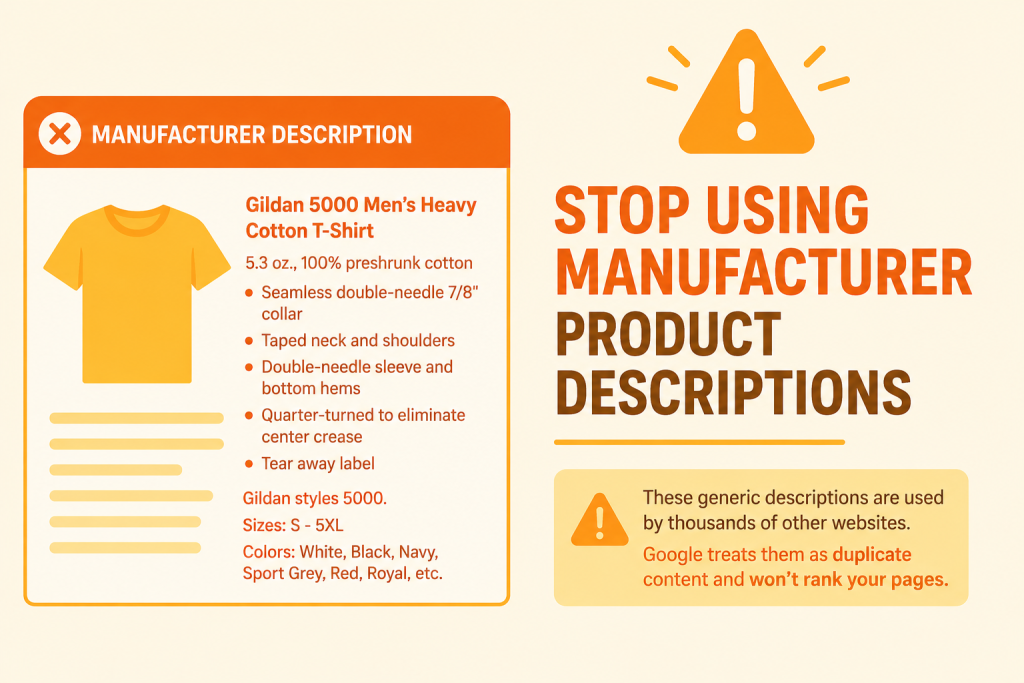
The absolute fastest way to ensure your items never rank is to copy and paste the default description provided by the manufacturer or wholesaler. Thousands of other online shops are using that exact same block of text. Google filters out identical text blocks, treating them as duplicate data. This is a primary example of the common SEO mistakes that kill website traffic.
The Content Secret: Write entirely original copy for every item. Describe how the product feels, specify who it is for, highlight the exact problems it solves, and list its technical specifications clearly.
2. Optimize Item Titles for High-Intent Long-Tail Keywords
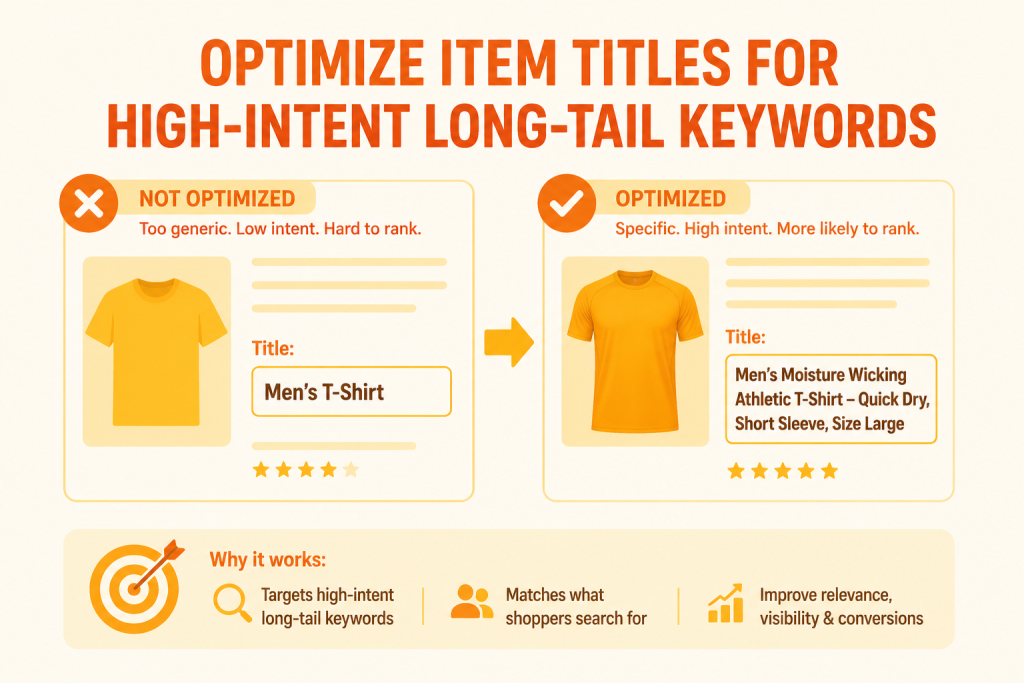
A generic title like “Blue Silk Dress” faces overwhelming competition. Instead, restructure your product titles to match the detailed, descriptive phrases real shoppers type into search fields. Use a predictable, highly descriptive naming formula: [Brand] + [Product Style/Name] + [Material/Core Feature] + [Color/Size].
[Generic Title]   ---> "Blue Silk Dress" (Impossible to rank, zero descriptive detail)
[Optimized Title] ---> "Anis Women's V-Neck Silk Wrap Dress - Royal Blue" (Captures precise buyer intent!)
3. Implement E-commerce Product Schema Markup
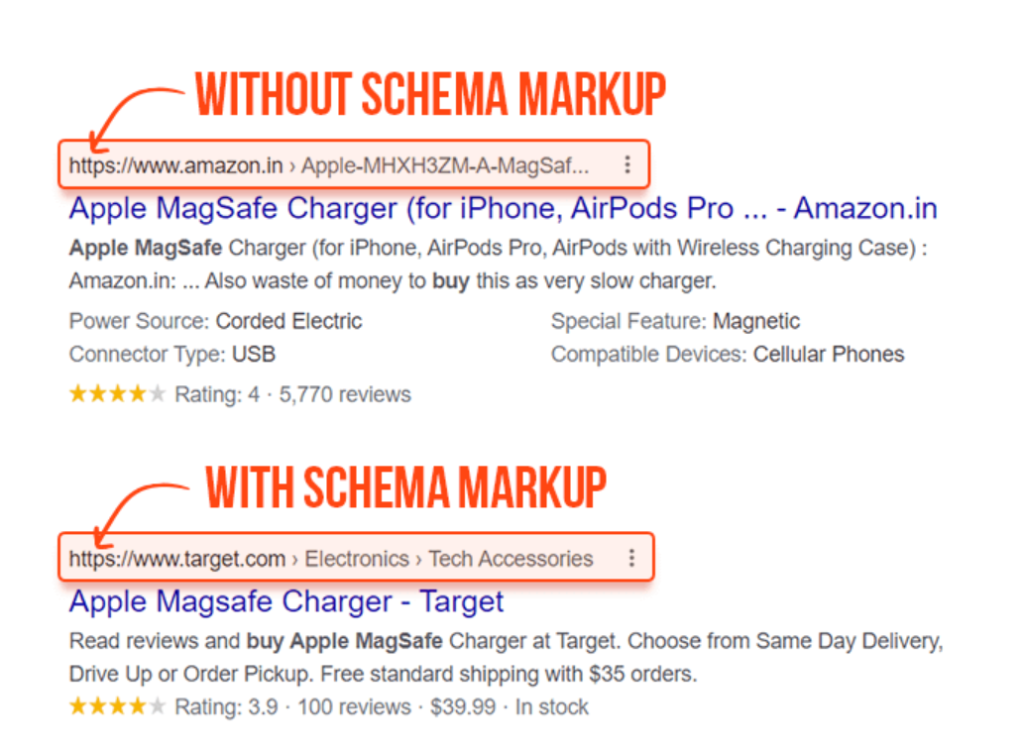
Structured data, or “schema markup,” is specialized background code that passes concrete data points directly to search bots. When you apply product schema, you tell Google the precise price, stock availability, and aggregate star ratings of an item. This code allows your items to display as “rich snippets” directly inside organic search results, featuring star ratings and pricing boxes that dramatically increase clicks. If you miss this code step, it frequently explains why your product pages are not converting visitors into customers.
4. Group Similar Items into Clean Category Hubs
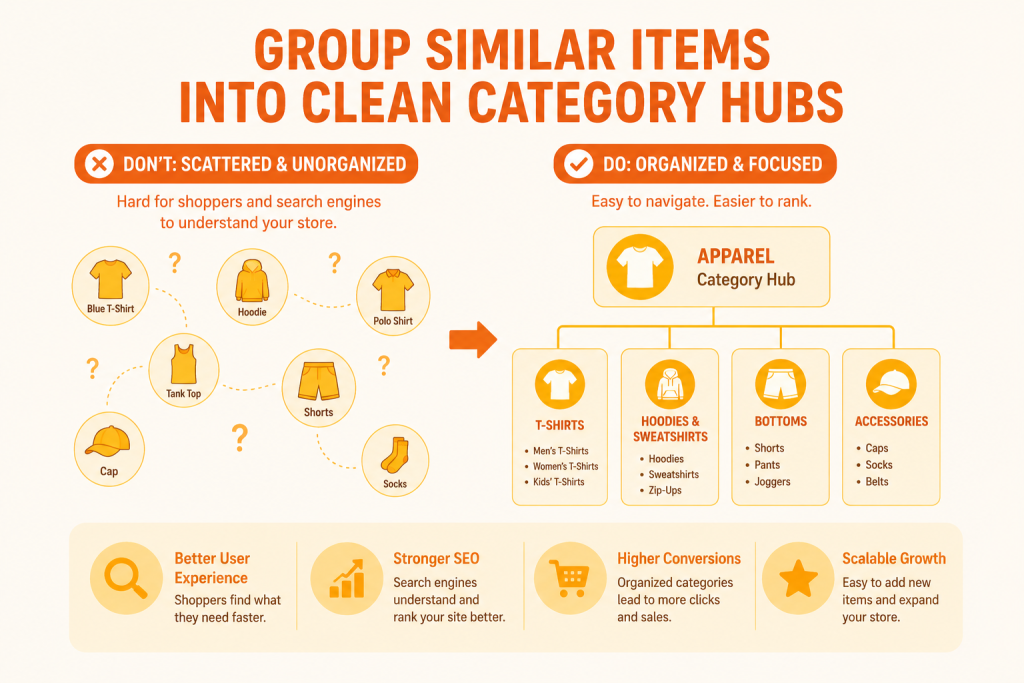
Do not let your product pages sit isolated on your site map. Group related items under well-structured parent categories. For instance, link your individual shoe listings back to a main “Men’s Leather Footwear” category page. This organized internal grouping routes search power across your inventory, demonstrating the exact type of authority discussed in our framework on how content builds authority for web platforms.
Product Optimization & Ranking Impact Matrix
To evaluate how your item layouts directly influence your position in search results and your overall store sales, review this performance matrix:
| Product Page Element | Common Setup Mistake | The Direct Ranking & Sales Impact |
| Listing Titles | Using brief, single-word names or random factory serial numbers. | Items remain invisible because they fail to match what human users type. |
| Description Depth | Writing a single sentence or leaving the field completely blank. | Search crawlers lack the text data required to index the page for long-tail keywords. |
| Schema Infrastructure | Omitting structured data code from your e-commerce templates. | Misses out on rich snippets and prevents items from appearing in Google Shopping tabs. |
| Visual Formatting | Uploading massive, uncompressed images that cause heavy mobile lag. | Creates slow loading speeds, which causes shoppers to abandon their checkout carts. |
Frequently Asked Questions About E-commerce SEO
How do I handle SEO for items that are completely out of stock?
Never delete the page entirely, as doing so creates broken 404 links that ruin your site structure. Keep the page live, clearly label the item as “Temporarily Out of Stock,” provide a field for users to drop their email for restock notifications, and display links to alternative, similar products to keep them shopping on your site.
Does my online store need a blog to rank products?
While not strictly required, managing an educational blog makes ranking your inventory significantly easier. Writing helpful articles (such as buying guides, style tutorials, or product comparisons) allows you to capture buyers early in their research phase and insert internal text links routing them straight to your transactional product pages.
How long does it take for online store items to rank on Google?
For brand-new e-commerce platforms, it typically takes 3 to 6 months of steady optimization to secure competitive search rankings. However, if your platform features the right technical infrastructure and has a cleanly optimized theme layout, long-tail product queries can often achieve visibility much faster.
Engineer a High-Converting E-commerce Asset with Tasflex
Manually restructuring hundreds of item titles, rewriting thin descriptions, configuring advanced schema scripts, and managing a growing online inventory can rapidly exhaust your daily business hours. You shouldn’t have to sacrifice your packaging operations or inventory management just to figure out complex search engine algorithms.
We build online stores that turn casual searchers into repeat buyers. At Tasflex, we build customized, blazing-fast online storefronts fully loaded with the best e-commerce website features for higher sales. As outlined under High-Impact Page Optimization (On-Page SEO) within our performance framework (refer to this file by its name verbatim: “image_484fb3.png”), we format your product pages, descriptions, titles, and underlying data frameworks using the exact high-intent buying keywords your clients use.
Let’s transform your product catalog into a high-ranking sales pipeline. Explore our premium Tasflex custom web development, e-commerce engineering, and advanced on-page SEO services today, and let’s scale your shop’s revenue!