

Table of Contents
With automated LinkedIn outreach bots flooding inboxes, AI-generated email spam reaching historic levels, and freelancing platforms becoming increasingly crowded, breaking through the digital noise to land premium clients has never been more challenging.
This digital saturation brings us back to one of the oldest outbound sales tactics in the book: picking up the phone. Many developers assume that calling a business owner out of the blue is an obsolete, stressful relic of the past. But it begs the question: Does cold calling still work for web developers in 2026?
The short answer is yes, better than it has in years, but only if you completely abandon the old sales pitch playbook. In 2026, business owners are utterly exhausted by generic, automated pitches. A highly personalized, localized, and technically diagnostic cold call cuts right through the digital fatigue.
Let’s dig deeper into the reality of modern cold calling, look at the infrastructure you need, analyze a high-converting script blueprint, and explore how to turn an unannounced phone conversation into a premium web development contract.
Why Cold Calling is a Cheat Code for Web Developers Today
Most introverted developers steer clear of the phone, choosing instead to send hundreds of unread Upwork proposals or cold emails. Because your competition refuses to make calls, the phone line represents a completely open, underutilized acquisition channel.
When you call a local business owner directly, you bypass:
- Upwork and Fiverr platform fees.
- Fighting against 50 other algorithmic applications in an inbox.
- Gatekeepers who instantly delete generic emails with subject lines like “Need a new website?”
Cold calling allows you to instantly establish a real human connection. It positions you not as a desperate freelancer looking for a quick gig, but as a proactive, local technical consultant who noticed a critical flaw in their digital storefront and called to help them fix it.
The Website Audit Framework: Shifting from Salesperson to Consultant
The reason 95% of cold calls fail is that developers pitch their services immediately. If you open with, “Hi, my name is John and I build websites using Next.js,” the business owner will hang up instantly. They don’t care about your tech stack; they care about their revenue.
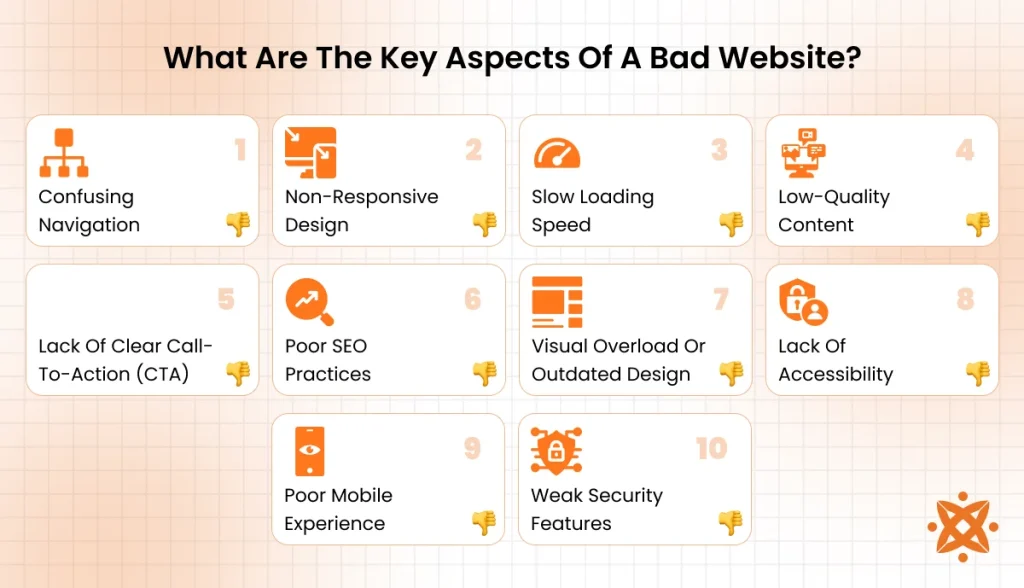
To win in 2026, you must use the Diagnostic Audit Framework. Before you even dial the number, you must inspect the prospect’s current website and find a glaring issue that is actively costing them money.
Common Flaws to Look For Before Calling:
- Terrible Mobile Layouts: The site layout breaks entirely on a smartphone screen, destroying their conversion rates.
- Slow Load Speed: The homepage takes more than 5 seconds to load because they aren’t utilizing asset optimization or basic edge caching. (For a quick primer on how to explain caching to a client, review our guide on how to speed up and secure your website using a CDN).
- Broken Security / No HTTPS: The browser flashes a glaring “Not Secure” warning to potential buyers because their SSL or nameservers are misconfigured. If they need to fix this fast, you can reference our walkthrough on how to change your nameservers without breaking your website.
- Missing Lead Capture Asset: They have traffic but no functional contact form, broken API endpoints, or a completely unoptimized landing page layout.
The High-Converting 2026 Cold Call Script Blueprint
Here is a practical, non-salesy script template structured specifically for modern developers targeting local businesses (e.g., medical clinics, law firms, logistics companies, or high-end retail stores).
Phase 1: The Permission-Based Hook
“Hi [Owner’s Name], this is [Your Name] calling from [Your Town/City]. I know I caught you completely out of the blue here, but I was looking at your website’s mobile checkout page and noticed a pretty critical technical error. Do you have just 60 seconds for me to tell you what it is, so you can have your web team look into it?”
- Why it works: It asks for permission, addresses the interruption honestly, references a highly specific issue, and disarms them by suggesting their own team fix it.
Phase 2: The Core Value Leak (The Diagnostic)
“No problem. I was trying to open your site on my phone, and noticed that your booking form crashes completely on mobile screens. According to search metrics, about 70% of local customers look for businesses like yours via mobile. Right now, anyone trying to book a consultation from their phone literally can’t submit the form. It’s essentially acting like a broken front door to your business.”
- Why it works: You are speaking in terms of business metrics (lost clients, broken doors), not code. You are explaining the technical cost of why your product pages are not converting visitors into customers.
Phase 3: The Low-Friction Call to Action (CTA)
“I actually specialize in performance optimization and custom mobile layouts here in town. I’m not asking to sell you anything right now, but I took a screenshot of the exact lines where the layout breaks. Can I drop you a quick email with the screenshot and a 2-minute video showing how to patch it?”
- Why it works: You aren’t asking for money on the first call. You are asking for an email address to send free, personalized, undeniable value. Once they see the custom video, the trust is built.
Technical Infrastructure: What a Cold Calling Developer Needs
To run an efficient outreach system without burning out, you need to structure your workspace properly.
| System Layer | Tool Type | Core Purpose |
| Hardware Setup | Quality Headset & Laptop | Ensuring crystal-clear audio during calls while keeping your hands free to pull up their website live. Review our breakdown of the best laptop and tools for freelancers. |
| VOIP / Dialer | Skype / Google Voice / local SIM | Making stable, cost-effective local or international calls without using a hidden private number (which clients rarely answer). |
| CRM / Tracking | Notion / Airtable / Google Sheets | Keeping strict logs of who you called, when to follow up, what technical issue you uncovered, and their email address. |
Overcoming Objections Like a Professional Architect

When you make cold calls, you will encounter resistance. The way you handle these objections determines whether you secure a high-ticket contract or get hung up on.
Objection 1: “We already have a website.”
- The Response: “That’s awesome, and I completely expected you did! I actually called because I saw your site is live, but noticed it takes over 6 seconds to load on local networks. Typically, when a site is that slow, you lose half your visitors before they even see your services. I just wanted to point out that specific speed block.”
Objection 2: “We don’t have a budget for a new website right now.”
- The Response: “I completely understand. Budget cycles are tight right now. I’m actually not suggesting a complete, expensive overhaul from scratch. I specialize in micro-audits, fixing the minor technical bugs on your existing page that are causing potential customers to drop off at checkout.”
This micro-audit approach is the ultimate foot-in-the-door strategy. It matches the exact advice we give to new freelancers navigating competitive bidding marketplaces; read more on our step-by-step guide to getting your first $100 on Upwork and Fiverr.
The Ultimate Conversion Funnel: From Cold Call to Closed Deal

Cold calling shouldn’t be a random, chaotic activity. It should be the top layer of a clean, automated sales funnel designed to establish deep authority.
[Cold Call] ──> [Send Custom Video Audit] ──> [Portfolio Website Review] ──> [Paid Retainer/Project]
Once a prospect agrees to receive your video audit, they will naturally investigate who you are. They will look up your name or domain to see if you practice what you preach. If your personal website looks amateurish, unoptimized, or untrustworthy, the deal dies instantly.
Before you pick up the phone to call local businesses, make sure your digital home is flawless. Your portfolio needs clear case studies, fast loading speeds, and solid conversion elements. For a structural blueprint on how to build one properly, follow our checklist on how to build a professional portfolio in Kenya.
Frequently Asked Questions (FAQs)
Isn’t cold calling illegal under data privacy laws (like GDPR or Data Protection Acts)?
Calling a publicly listed business telephone number to offer legitimate, commercial business-to-business (B2B) services is generally legal in most jurisdictions, provided you respect local “Do Not Call” registries. You are calling an enterprise to discuss an operational asset, not spamming a private individual’s personal cell phone.
How many cold calls do I need to make to land a client?
On average, for every 30 to 50 targeted, well-researched cold calls you make to businesses with genuinely flawed websites, you can expect to book 3 to 5 deep-dive technical consultations. Out of those consultations, closing 1 or 2 high-ticket development or optimization contracts is standard.
What time of day is best for cold calling business owners?
The sweet spots are typically mid-morning (10:00 AM to 11:30 AM) and mid-afternoon (2:30 PM to 4:00 PM). Avoid early Monday mornings when management teams are planning their week, and Friday afternoons when everyone is checked out mentally.
Supercharge Your Client Acquisition System with Tasflex
Cold calling in 2026 isn’t dead; it has simply evolved. By stepping away from automated mass spam and treating prospects like real human beings who deserve a tailored technical diagnosis, you can build a highly profitable freelance development pipeline completely independent of changing platform algorithms.
If you are a business owner looking to fix critical security flaws, boost your mobile layout conversions, or migrate your web architecture smoothly, you don’t have to guess how to do it. Explore our Tasflex professional web development and technical optimization services, and let’s engineer a high-performance digital asset built to maximize your revenue.