

Table of Contents
Imagine walking into a massive shopping mall with hundreds of stores, but there are no signs, no directory maps, and no layout floor plans anywhere. You would probably wander around aimlessly, get frustrated, and miss some of the best shops tucked away in the corners.
That is exactly what happens when Google’s search robots visit a website without an XML sitemap.
In the digital world, your website is the shopping mall, and the search engine robots are the visitors looking for your content. By mid-2026, with billions of new web pages and AI-driven search engines indexing the internet faster than ever, you cannot afford to hide your content.
Let’s break down exactly what an XML sitemap is, why it is an absolute must-have for search engine optimization (SEO), and how you can set one up today using simple, everyday language.
What Is an XML Sitemap?
An XML sitemap is a simple text file that lists every single important page on your website. Think of it as a digital blueprint or a direct roadmap built specifically for search engines like Google, Bing, and modern AI crawlers.
The “XML” part stands for Extensible Markup Language. Don’t let that fancy computer-science name scare you. It simply means the file is written in a clean, structured code language that robots can read in a fraction of a second.
While human visitors scroll through your beautiful homepage, navigation menus, and images, search robots skip all the visuals. They head straight to your XML sitemap to get a clean checklist of all the pages they need to show to users on search result pages.
Why Is an XML Sitemap So Critical for SEO?
Having a sitemap is like giving Google a golden key to your website. It doesn’t magically guarantee you will rank at the very top of page one overnight, but it is the foundational step that allows ranking to happen in the first place.
An XML sitemap directly impacts your digital growth in several major ways:
1. It Helps Google Find New Pages Instantly
When you write a brand-new article or launch a new product page, you want people to find it immediately. Without a sitemap, Google has to rely on “crawling”, following links from your old pages to your new ones. If a new page isn’t linked properly, it becomes invisible to Google. A sitemap points Google directly to the new page the moment it goes live.
This is especially crucial if you are consistently publishing updates, such as following our blueprint on how to write top-ranking blog posts using WordPress.
2. It Tells Robots Which Pages Are Most Important
Not every page on your website is designed to make money or attract customers. You probably have a terms of service page, a privacy policy page, or internal layout tags. Your XML sitemap tells search engines to ignore the filler files and focus 100% of their energy on your money-making landing pages and blogs. This structure is the core engine behind how SEO helps businesses get more traffic, leads, and sales.
3. It Signals When Content Changes
Inside the XML sitemap file, there is a tiny stamp next to every link called lastmod (last modified). Whenever you update an old blog post with fresh information or lower a product’s price, the sitemap updates this stamp. Google reads it, realizes something has changed, and updates its search results to show your fresh content.
XML Sitemaps vs. HTML Sitemaps: What’s the Difference?
Many beginner website owners confuse these two types of sitemaps. While they sound identical, they serve completely different audiences.
| Feature | XML Sitemap | HTML Sitemap |
| Built For | Search Engine Robots (Google, Bing, AI bots) | Human Visitors |
| What It Looks Like | A raw list of code strings and links | A nicely designed page with organized menu links |
| Primary Location | Hidden in your site’s root directory (e.g., yoursite.com/sitemap.xml) | Usually linked visibly in the footer of a website |
| SEO Purpose | Guarantees fast indexing and crawling accuracy | Improves user navigation and keeps visitors on-site |
How to Create and Find Your XML Sitemap
The great news is that you do not need to be a professional web developer or a coding genius to create a sitemap in 2026. Modern software does all the heavy lifting for you automatically.
If You Use WordPress:
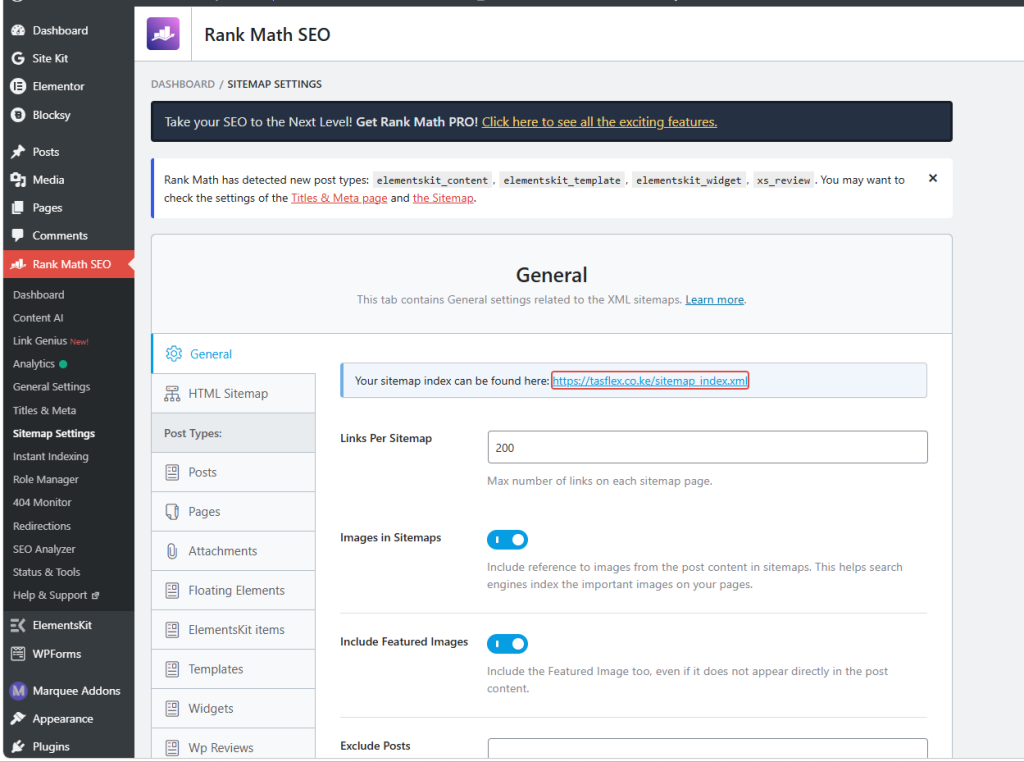
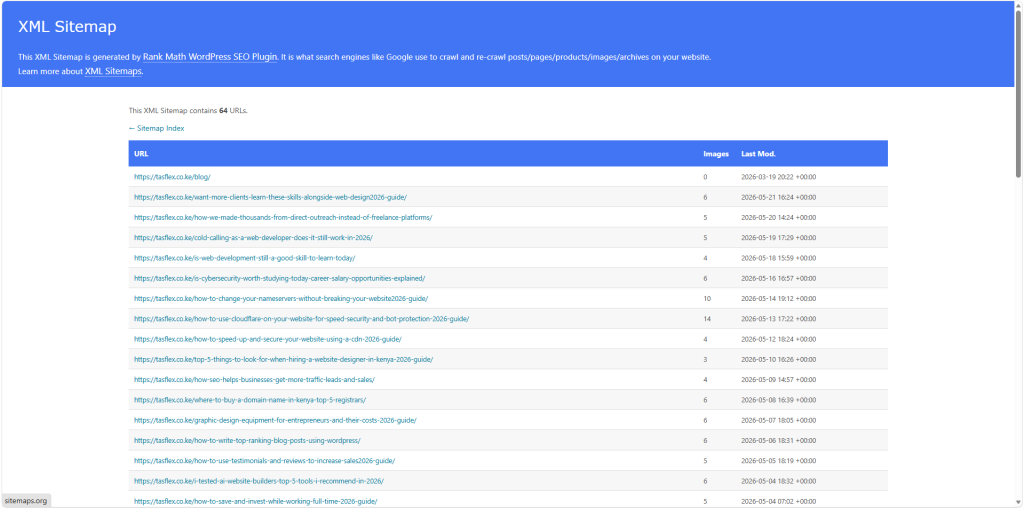
If your website runs on WordPress, popular SEO plugins like Rank Math or Yoast SEO create your sitemap the second you turn them on.
- To find it, simply go to your internet browser and type:
yourwebsite.co.ke/sitemap.xmloryourwebsite.com/sitemap_index.xml. - Every time you add a page or edit a post, these plugins update the file automatically in the background.
If You Use a Custom/Static Website:
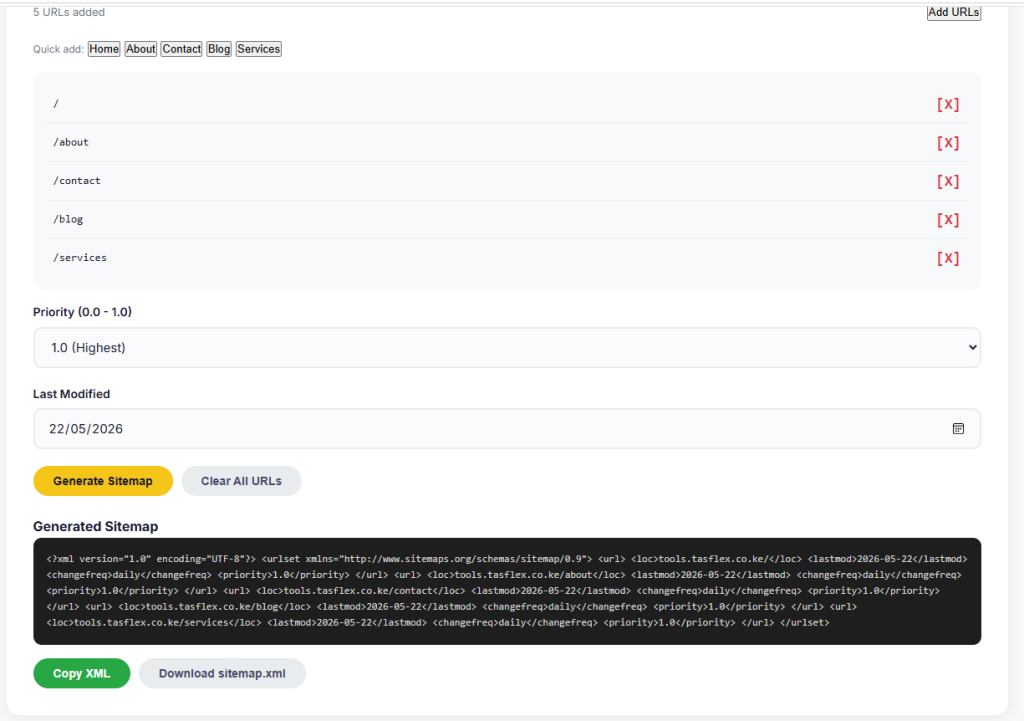
If your site is built with raw HTML or custom code, you can use free online generator tools like XML-Sitemaps.com. You simply type in your website URL, click generate, download the small .xml file, and upload it to your website’s main hosting folder.
The Crucial Last Step: Submitting Your Sitemap to Google
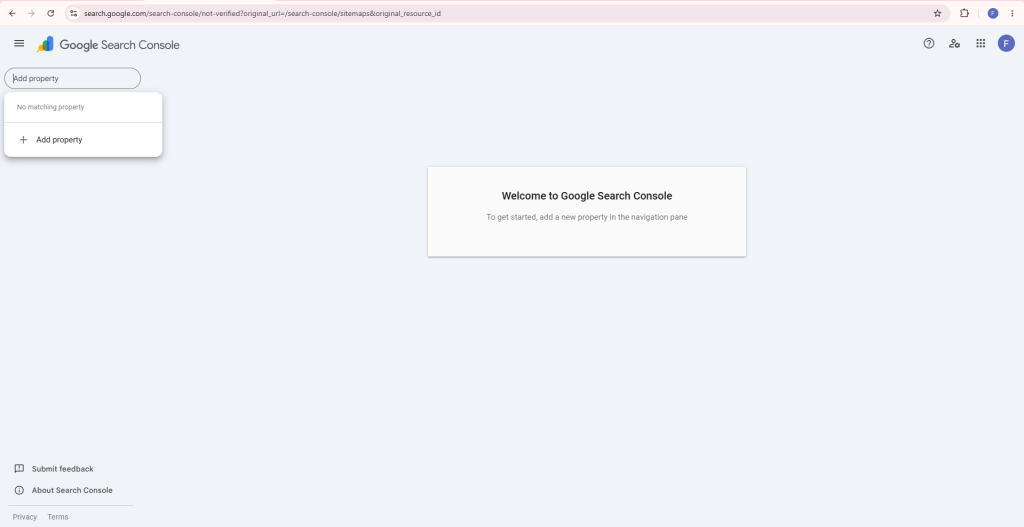
Creating the sitemap is only half the battle. You need to officially hand the map over to Google so they know where to find it. This is done using a completely free tool called Google Search Console.
Here is the simple, step-by-step process:
- Log into your Google Search Console dashboard.
- Look at the left-hand menu and click on Sitemaps (under the “Indexing” section).
- In the bar that says “Add a new sitemap,” type in your sitemap URL extension (usually just
sitemap.xml). - Click Submit.
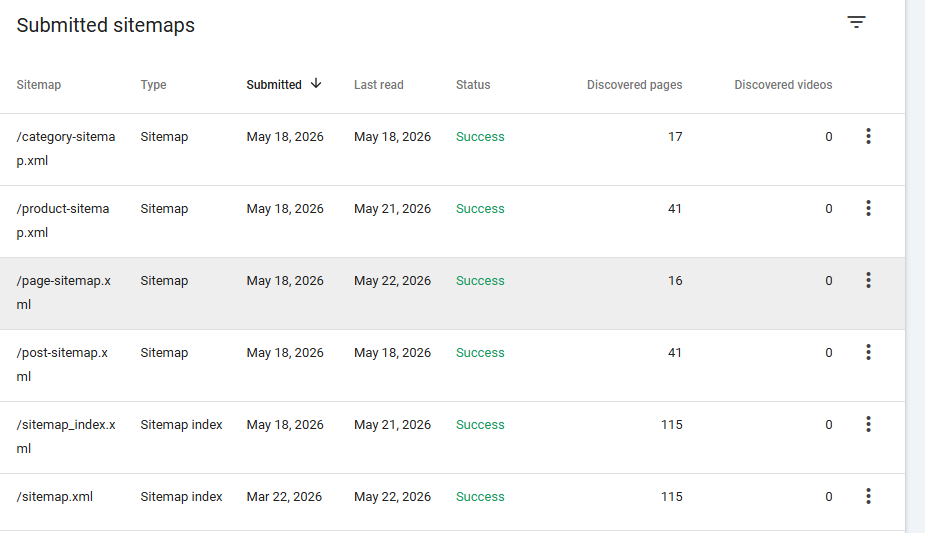
Google will verify the file, and within a few hours, you will see a green “Success” status message. This means Google has successfully read your map and is actively cataloging your digital storefront.
Frequently Asked Questions (FAQs)
Does a sitemap guarantee that my website will rank on page one?
No. A sitemap tells Google that your pages exist, but it doesn’t guarantee they will rank highly. High rankings depend on the quality of your content, how fast your website loads, and how well you satisfy what the user is looking for.
What happens if I don’t have an XML sitemap?
If your website is small and all your pages are linked together properly, Google will eventually find them anyway. However, it will take much longer for new pages to show up in search results, and Google might miss deeply buried product pages entirely.
Can a sitemap have too many links?
Yes, but only for massive enterprise sites. A single XML sitemap file is limited to 50,000 URLs and a file size of 50MB. If your online store grows larger than that, your SEO plugin will automatically split your sitemap into smaller, organized packages.
Dominate Search Engine Results with Tasflex
Setting up an XML sitemap is a simple, non-negotiable step to making your business visible online. Whether you are running a local service company or a large online store, ensuring that search engines can easily find, read, and index your website is what transforms an invisible asset into a high-earning lead machine.
If you want to take your digital presence to the next level, you don’t have to navigate the technical world of keywords and code structures alone. We specialize in building fast, secure, and search-optimized digital platforms. Study our complete guide to getting customers from Google Search in Kenya to see our methodology, or explore our high-performance Tasflex custom web development and SEO services today to start scaling your business revenue.